Increased cruelty fears for refugees amid harsh new migration laws
This article was first published in The Melbourne Anglican on 18 February 2025.
Refugee advocates fear for the safety and human rights of refugees in Australia’s onshore detention centres under harsh new migration laws.
Faith-based and community advocates warned that new federal laws introduced in December 2024 enabled greater ministerial powers to deport people and restrict their communications.
They also believe the appointment of new detention centre operator Management and Training Corporation put detainees at risk of being treated like criminals.
Brigidine Asylum Seeker Project co-founder Sister Brigid Arthur said the effects of the migration amendments haven’t been seen, yet, but detainees were scared.
“It scares everybody that people could be deported. They can be sent to any other country,” she said. “It could be used in really awful ways, very cruel ways, and it’s against international law.”
Sister Arthur said it was sheer cruelty to have people locked up indefinitely, not knowing if they would ever be let out.
One young man Sister Arthur visited was in detention because the transit police had been called when he fell asleep on a tram.
“Most people would have no idea that this happens in our city,” she said.
Sister Arthur began visiting the Maribyrnong centre in the early 2000s when it was more open and visitors could bring home-baked goods.
“Gradually things started to get tougher to get in,” she said.
When Sister Arthur took a packet of Tim Tams for the young man, it was logged by security and could only be given to him after she had left.
Refugee Council of Australia advocacy coordinator Dr Graham Thom said more people with criminal histories were in detention centres than 15 years ago and raised concerns for individuals being held for non-criminal reasons.
Dr Thom said refugees who claimed asylum at border security were vulnerable because Australian law required mandatory detention.
“[They] rip up your tourist visa because you’re not a tourist. Now you’re undocumented,” he said.
“It’s a pretty frightening experience for those individuals who thought they were doing the right thing by seeking asylum at the border,” he said.
The Asylum Seeker Resource Centre said in December that MTC was linked to a pattern of serious abuses including the alleged neglect of detainee medical care, excessive use of solitary confinement and violent incidents.
Deputy chief executive Jana Favero said putting people with protection claims in the same environment as convicted criminals was a troubling trend.
“We very firmly oppose mandatory detention,” she said.
Ms Favero said there needed to be greater oversite and transparency regarding immigration detention.
She said the recent Ombudsman’s report detailed the harm and abuse of people in detention, including solitary confinement and stopping visitations.
Ms Favero said the government’s contract with MTC was a significant departure from their 2023 platform promise that detention would be government-run.
“It’s unacceptable to entrust the welfare of people who have faced significant hardship to a company with a long history of abuses,” she said.
Immigration minister Tony Burke’s office was contacted for comment.
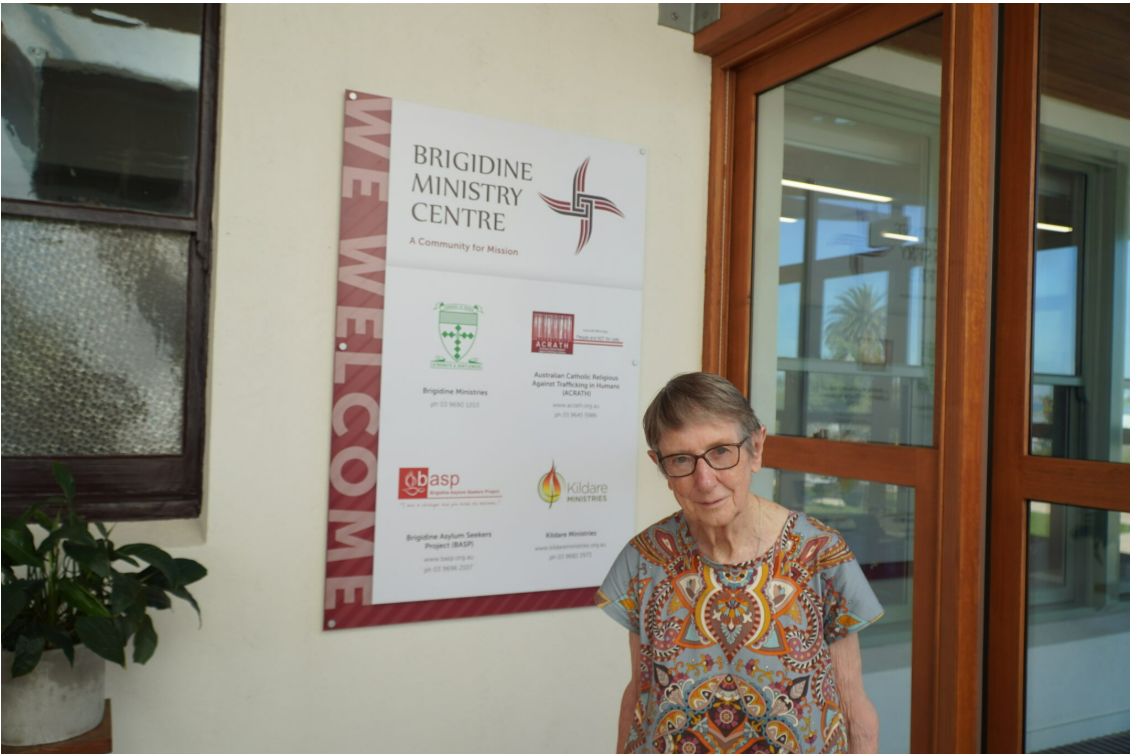
Image: Sister Brigid Arthur has been visiting refugees since mandatory detention began in the early 2000s. Picture: Lesa Scholl
For communications strategy and services contact Key Change Communications. Follow us on Facebook and LinkedIn.