Prison Network tackles post-release homelessness
This article was first published in The Melbourne Anglican on 19 September 2025.
Women leaving prison will be more secure and better able to care for themselves and their children thanks to a faith-based initiative’s expansion of post-release housing.
Prison Network has provided women with wraparound care such as housing, employment and support for their children for almost 80 years.
The organisation has already provided five homes for women leaving prison and a government grant has enabled it to acquire three more.
Chief executive Amelia Pickering said Prison Network aimed to offer 10 transitional and crisis properties for women leaving prison because they were at high risk of homelessness.
She said there were women eligible for parole but could not leave prison because they had nowhere to go.
Ms Pickering said there was a lot of misunderstanding about the women Prison Network helped in terms of who they were and why they were in prison.
After serving their sentence, women came out of prison more vulnerable than when they went in, she said.
Transition housing recipient Alice* said many women leaving prison had nowhere to go and were unable to have their children with them if they did not have a home.
“It’s a basic right to have food, to have shelter, to have a clean bed,” she said. “Particularly as a mother, to not be able to provide that for your child isn’t easy.”
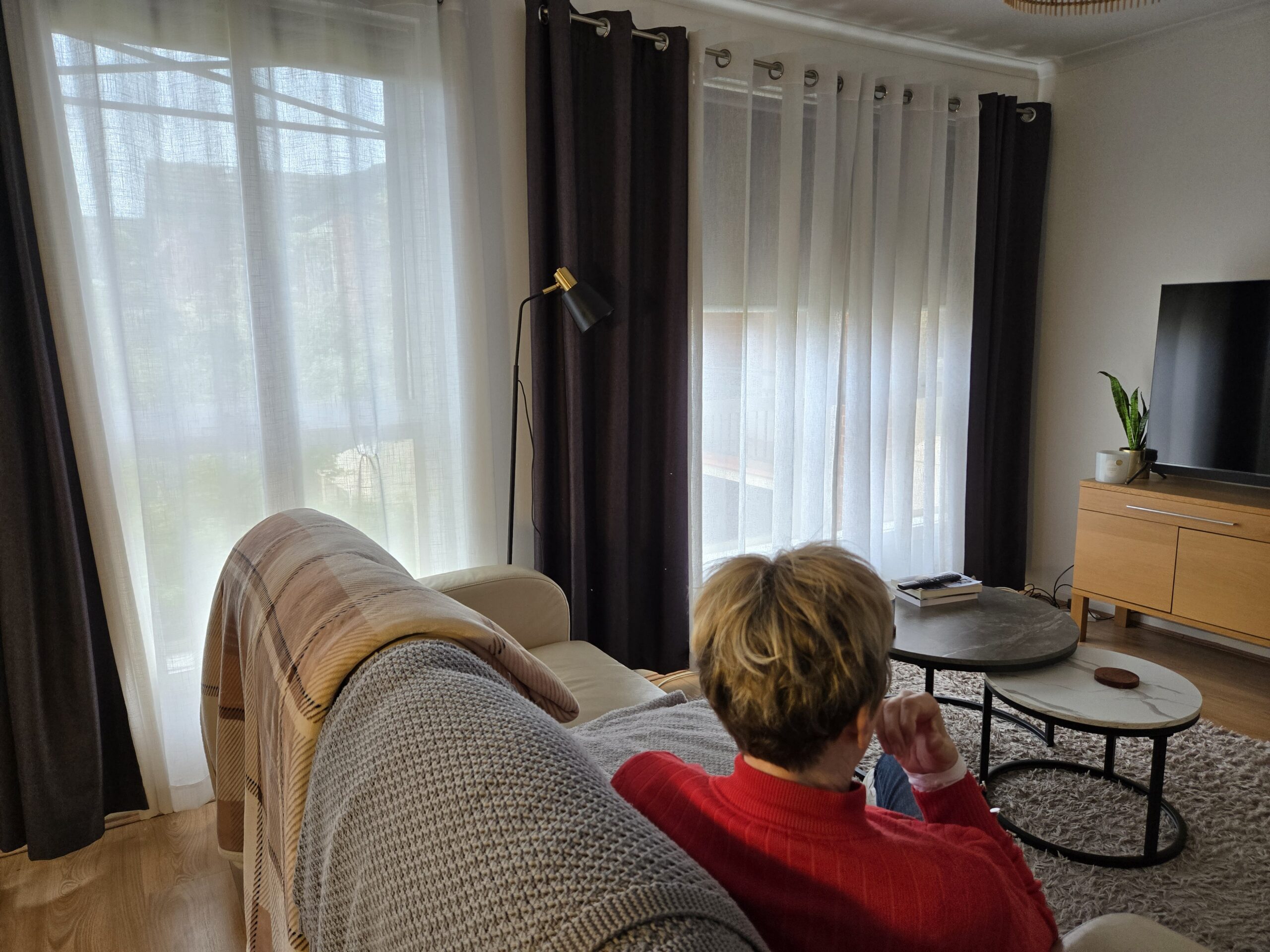
Alice relished the dignity of having a quiet, cosy place where she, her son and cat could live peacefully.
She has a strong church community and a good job, and her son plays soccer and recently started an apprenticeship.
“If prison network hadn’t been there, [he] would probably be living with his drunk father,” she said. “He wouldn’t have the job or be thriving like he is now and enjoying his life.”

Ms Pickering said Alice’s story was an example of how Prison Network worked with the needs of women.
“We start as early as remand, when a woman comes in, and we do the journey all the way through while a woman is in prison,” she said.
Homelessness was a key issue Prison Network wanted to address, she said.
Ms Pickering explained it was important for the women to have their own homes rather than sharing with others who were also in recovery.
“We know statistically when you put a group of women together who are in recovery, or any people who are together in recovery, someone falls over some way, and it pulls everybody off,” she said.
“So it’s a bit more expensive and it is a bit more labour intensive, but we’ve been able to demonstrate … it works.”
Ms Pickering said Prison Network’s care, including housing, cost about $50,000 a year per woman.
Keeping a person in prison cost an estimated $150,000 per year, according to the Australian Institute of Criminology.
For Alice, having a home relieved the pressure so she could focus on her sons and finding employment.
“We were really lucky,” she said.
“We feel safe here, and it’s a home. It’s our little home.”
*Names have been changed for privacy.
Image: Alice is grateful for the safe, secure home provided for her and her son. Picture: Lesa Scholl
For communications strategy and services contact Key Change Communications. Follow us on Facebook and LinkedIn.