
Calls for Royal Commission amid Nauru health failures
This article was first published in The Melbourne Anglican on 1 May 2025.
Worsening health conditions have sparked renewed calls for a Royal Commission into immigration detention and an end to offshore processing, refugee advocates say.
Approximately 100 people are being held in Nauru according to the Asylum Seeker Resource Centre.
65 per cent of the refugees are experiencing severe health conditions such as heart complaints, chronic pain, stroke, PTSD, anxiety and self-harm.
ASRC detention casework policy lead Heidi Abd Elraouf said people with persistent chest pain were waiting months to see a cardiologist.
She said healthcare was very limited with little mental health support and issues with access to medicines. Sometimes the medications provided were expired.
“There’s no in-patient psychiatric care facility. There’s no MRI equipment. There’s no afterhours or weekend primary care,” Ms Abd Elraouf said.
“We are already seeing history repeating in Nauru,” she said. “The longer people remain there, the more deterioration of physical and mental health.”
“For many years the ASRC has been advocating for an end to the cruel policy of offshore detention,” Ms Abd Elraouf said.
She said a Royal Commission would provide truth telling and justice for refugees and hold the Australian government accountable for systemic and human rights abuses.
Infectious diseases fellow and refugee health advocate Nilanthy Vigneswaran said professionals in the field were concerned at the increasing number of people being detained in Nauru.
She said many of the health conditions experienced would be extremely treatable in Australia, like cellulitis and diabetes.
“The Australian Government is not fulfilling its obligations under several international conventions and international law to provide comprehensive medical care,” Dr Vigneswaran said.
“These echo historic concerns with accessing medical care.”
Common Grace Justice for People Seeking Asylum coordinator James Harris, a former aid worker in Nauru, said the limitations of healthcare were problematic a decade ago.
Mr Harris said sometimes paracetamol was all that was available and unwell people had to line up each day in heat and long lines to receive their medication.
“You had people coming…with pre-existing conditions, people coming from war-torn countries,” he said. “They still had physical trauma in their bodies from shrapnel wounds or things that were the result of torture.”
Amnesty International Australia strategic campaigner Zaki Haidari emphasised the Australian government’s moral and legal responsibility toward those seeking asylum.
“It must not turn its back on sick people in desperate need of medical care,” he said.
Former Australian Human Rights Commissioner Gillian Trigg, who launched the National investigation into children in immigration detention in 2014, said historically Australia was a major supporter of the Refugee Convention.
She was concerned, though, with the growing global willingness to deny the legal standards of the Refugee Convention.
“There is a general decline in respect for the international rule of law,” she said. “It’s shocking that the principles of the right to seek asylum are being increasingly ignored.”
Campaign for a Royal Commission on Immigration Detention head Julie Macken believes most Australians don’t know the treatment suffered by refugees on behalf of our government.
She said a Royal Commission would be a first step in eroding the social licence because it would reveal the truth of what happens in detention centres.
“The UN has already said [the government] can’t deny responsibility, but…both parties do deny responsibility.”
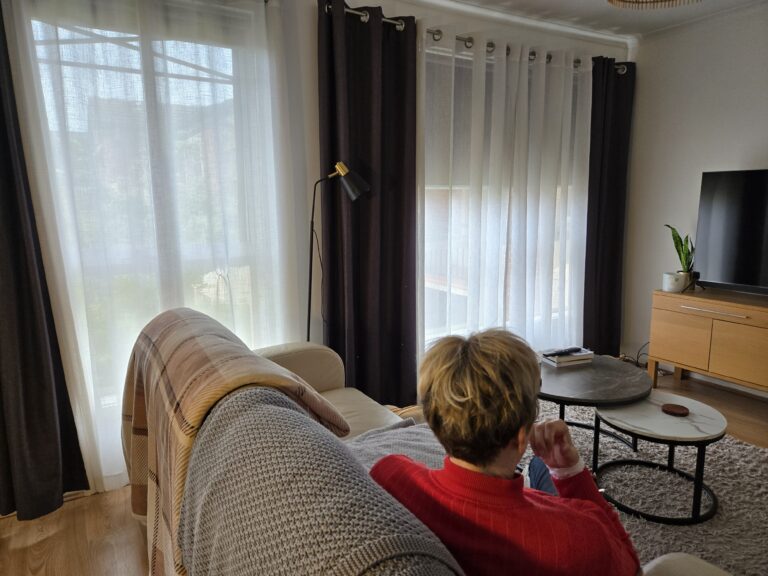
Image: Limited healthcare for vulnerable refugees puts lives at risk. Picture: iStock
For communications strategy and services contact Key Change Communications. Follow us on Facebook and LinkedIn.